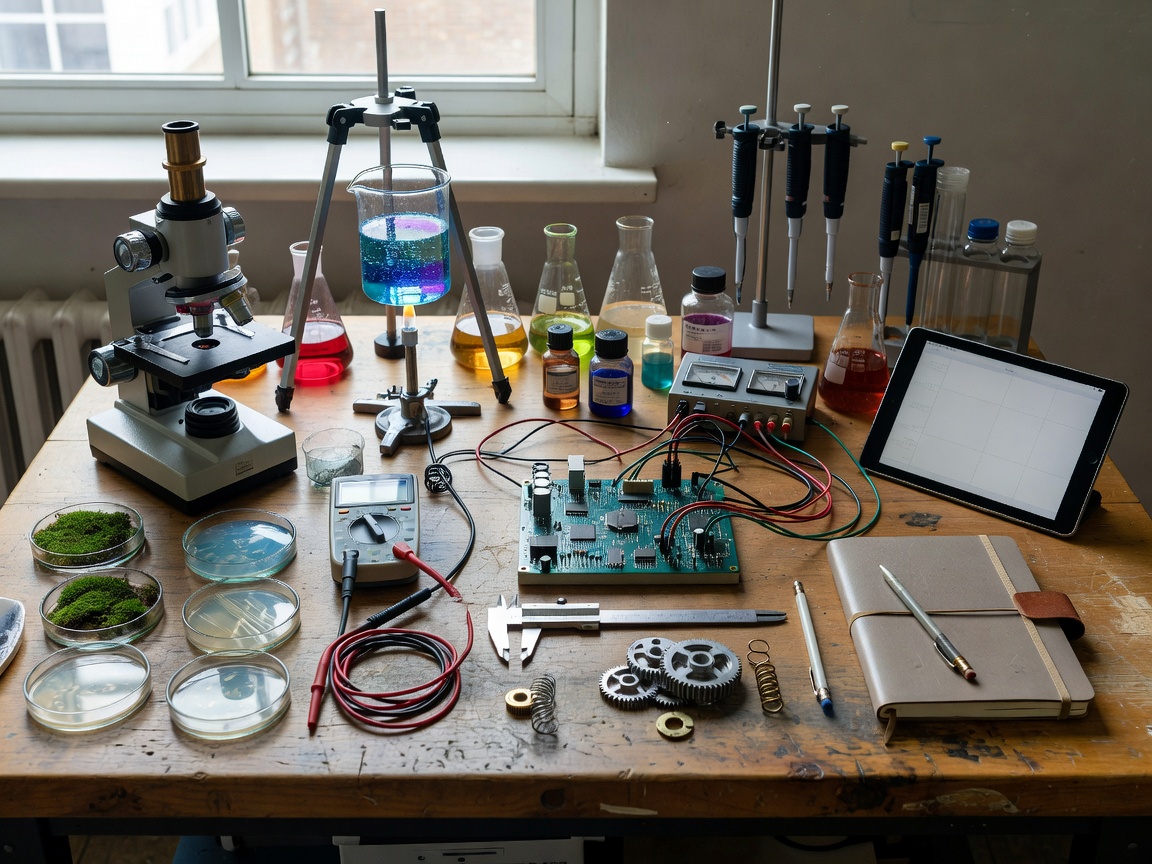
01 / PROGRAM GUIDE
Science camp programs
Compare broad science schedules, age groups, lab and field balance, project work and supervision.
Compare program formatsEUROPEAN SCIENCE CAMP ATLAS / FIELD GUIDE 01
Compare hands-on science programs across Europe. Explore experiments, fieldwork, observation and measurement before choosing a camp format.
A practical guide for students, families and educators
01 — CHOOSE A FIELD
Start with the subject. Then compare the format, setting and support.
01 / PROGRAM GUIDE
Compare broad science schedules, age groups, lab and field balance, project work and supervision.
Compare program formats
02 / LIFE & HABITATS
Explore ecology, biodiversity, plant science and suitable field observation practices.
Explore biology and ecology
03 / MOTION & DESIGN
Look at mechanics, energy, measurement and structured design challenges.
Explore physics and engineering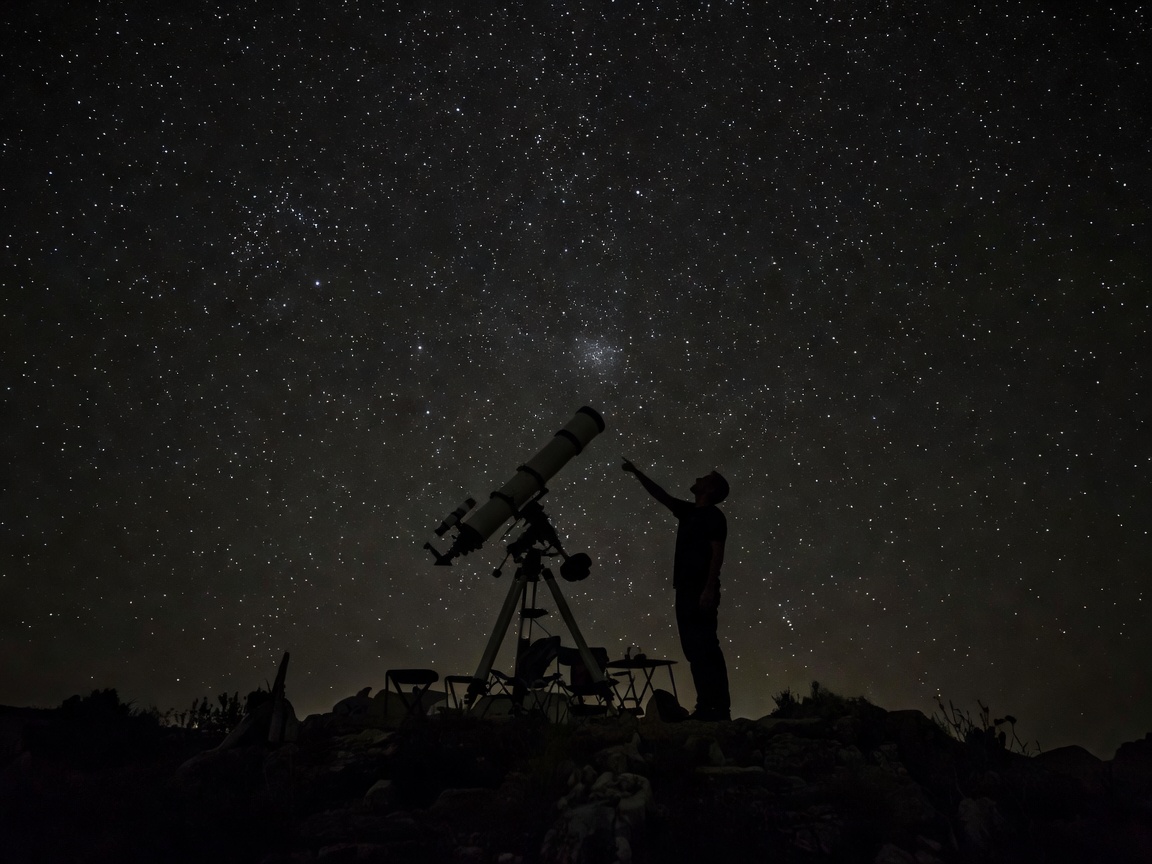
04 / SKY & SPACE
Compare sky observation, planetary science, simulations and weather-aware planning.
Explore astronomy and space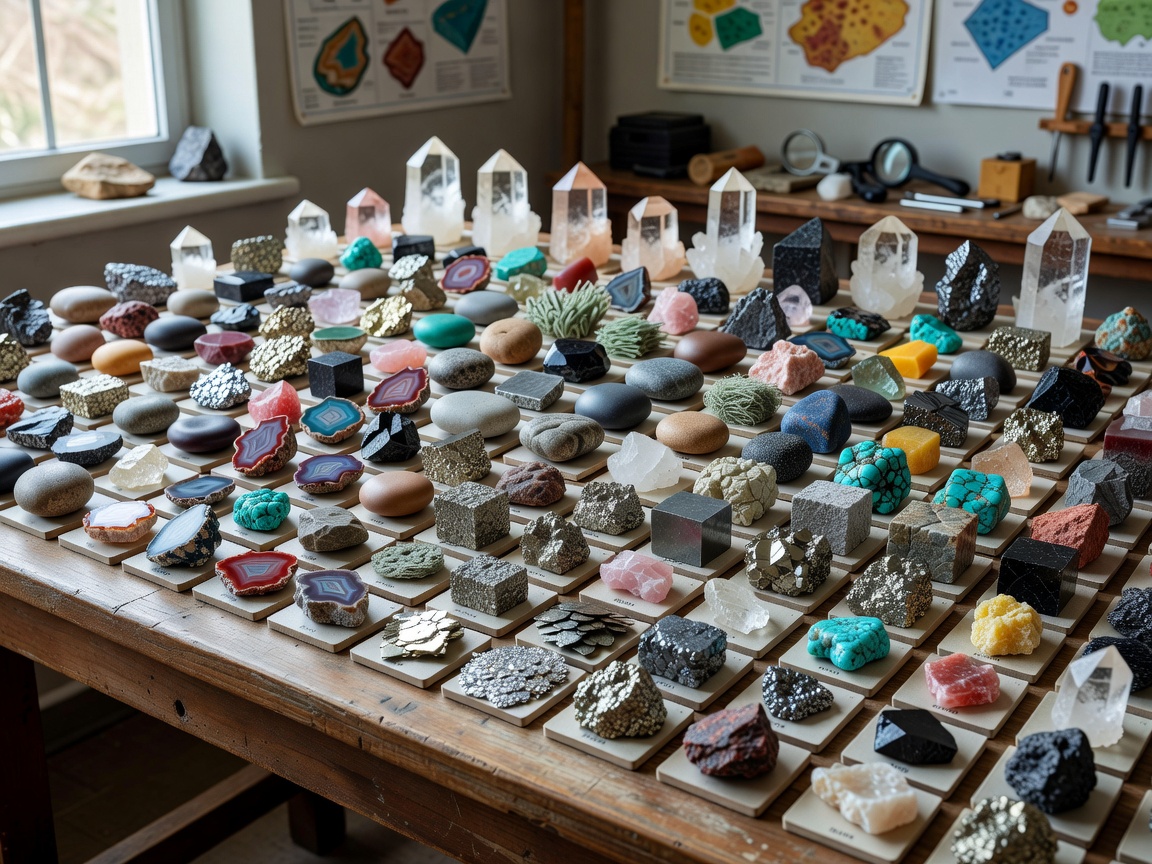
05 / MATERIALS & EARTH
Review chemistry learning, rocks, minerals, materials and Earth-system observation.
Explore chemistry and Earth science02 — A PRACTICAL SEQUENCE
Use the same checklist from first search to final review.
Match the program focus to a student’s interests, age and prior experience.
Check schedule, clothing, accessibility, equipment and any prerequisites.
Review activity formats, instructor support and safety procedures.
Ask how students record observations, compare results and handle uncertainty.
Look for reflection, feedback and a clear way to share completed work.
A BETTER FIT STARTS WITH A CLEAR QUESTION