Astronomy, observation and space science
Astronomy education introduces celestial objects and the methods used to study them. It may include sky maps, scale models, data interpretation, simulations and guided discussion. Observational astronomy places more emphasis on planning and recording direct observations. Space-science education can cover planetary environments, missions as a subject, or the physical processes that shape objects in space. These categories can overlap, but a listing should explain its emphasis.
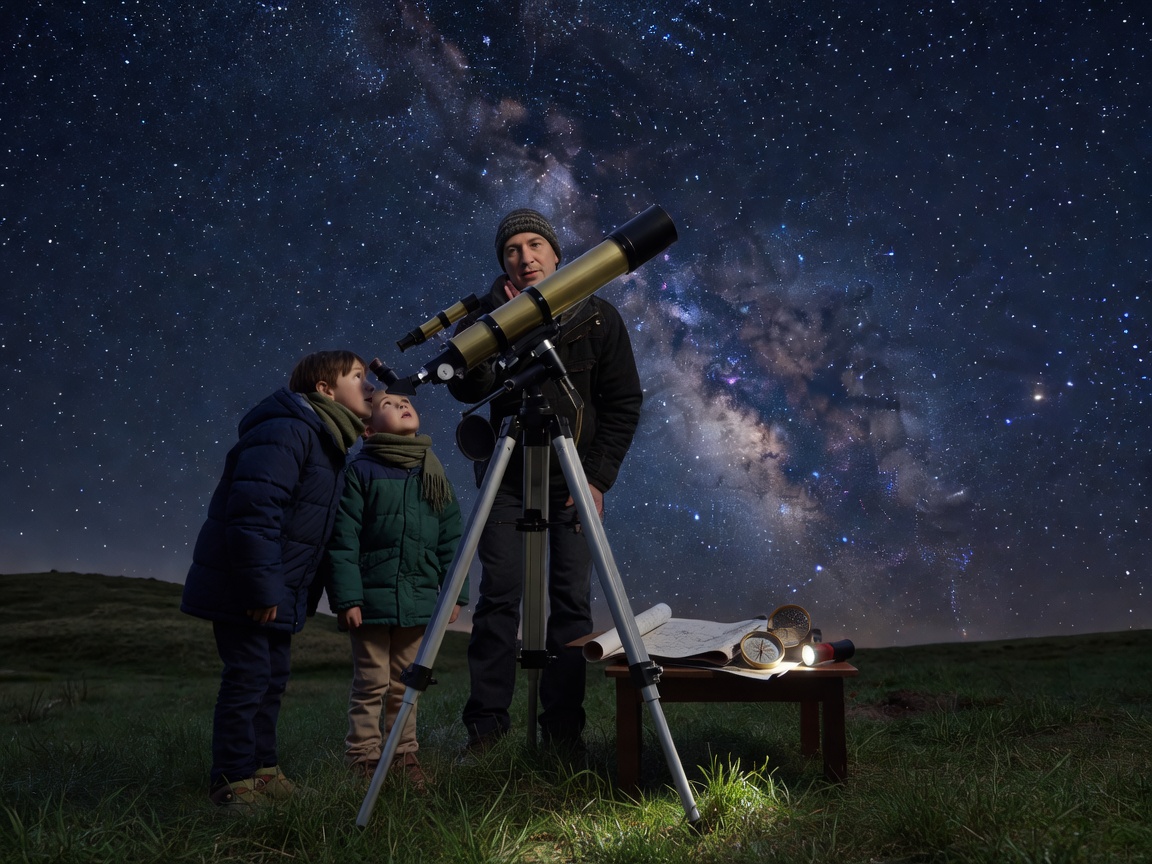
Night-sky observation can help learners connect direction, apparent motion and changing visibility with a real sky. It cannot guarantee that a particular object will be visible. Ask how staff adapt to cloud, wind, temperature or other local conditions, and whether the schedule has an indoor alternative.
Telescopes and observation planning
Telescopes gather light and support views of selected objects, but the experience depends on equipment, conditions and instruction. Ask whether equipment is supplied, whether students use it under staff guidance and what the activity teaches beyond looking through an eyepiece. Do not assume access to a named observatory or a particular instrument unless the organiser confirms it.
Observation planning may involve a sky chart, timing, orientation and a record of conditions. Light pollution affects what can be seen, but dark conditions alone do not make a complete learning program. Weather, safety, supervision, travel and student rest all matter when sessions run after dark.
Stars, galaxies and planetary science
Stars and galaxies are often taught through images, models and carefully explained evidence. Students can compare scales, patterns and life-cycle concepts at an age-appropriate level. Planetary science may introduce surfaces, atmospheres, orbits and the differences among Solar System bodies. Simulations can make otherwise inaccessible scales easier to discuss.
Ask how content is adapted to the age group and whether students need prior knowledge. Strong teaching distinguishes observations, models and interpretation. It does not present a simulation as a direct view of a distant object, or imply that one short activity covers the full scope of the subject.
Simulations and classroom work
Indoor work can continue when observation is not possible. Simulations and datasets provide a way to explore patterns, revise predictions and compare explanations. They are not a substitute for every observational experience, but they can teach concepts that depend on long timescales or remote objects.
Check how the course balances explanation, practical observation and simulation. If a camp emphasises telescope sessions, ask how much time is allocated to them and what happens when conditions prevent viewing. If it is primarily a space-science course, ask which topics and learning activities are included.
Good for
Astronomy can suit students who enjoy careful looking, large-scale questions, diagrams and patient observation. A simulation-led format may fit learners interested in planetary systems and models. A night-sky program may suit students comfortable with later schedules and outdoor conditions, with appropriate adult support.
What to check
- How the program defines astronomy, observation and space science.
- Equipment access, instruction and confirmed session arrangements.
- Weather alternatives, light conditions and late-session supervision.
- Age fit, schedule, clothing, accessibility and travel details.
- Balance of sky observation, classroom explanation and simulation.
Plan around uncertainty
Ask how the organiser communicates schedule changes and what students do if weather limits outdoor work. Confirm who supervises travel and late activities, and how students can take part if they need an alternative format. Families should also review rest periods and accommodation arrangements where relevant.
A careful astronomy program treats uncertainty as part of the subject. Compare the promised activity with practical conditions and avoid relying on assumptions about equipment or sky access. This guide offers selection criteria, not confirmed listings.