Chemistry through educational concepts
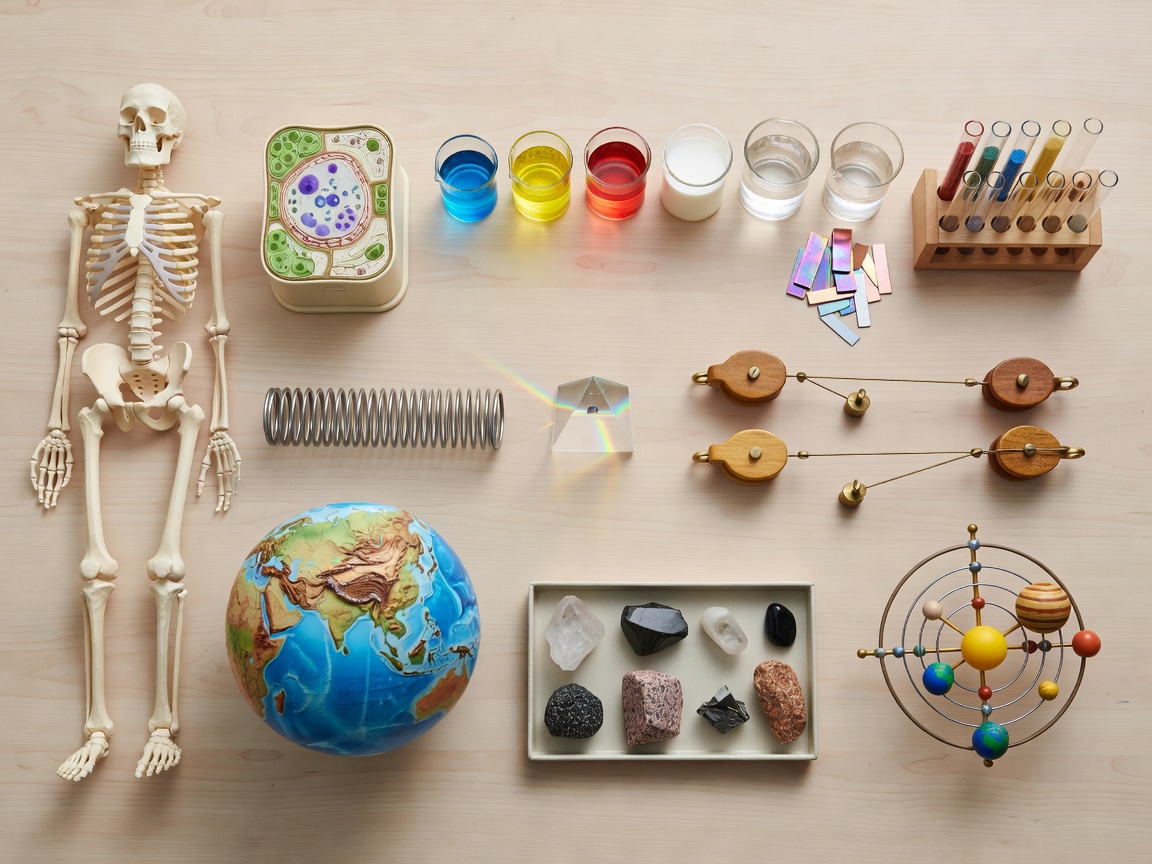
Chemistry examines substances, properties and changes. At camp, learning may use models, instructor-led demonstrations, material comparisons or supervised laboratory work. Ask what students will observe and explain. A subject label alone does not establish the activity level or equipment used.
Age-appropriate programs explain safety expectations and keep practical work under qualified supervision. Students and families should follow the organiser’s instructions and institutional procedures. This guide does not provide chemical procedures, recipes or experimental quantities.
Rocks, minerals and geology
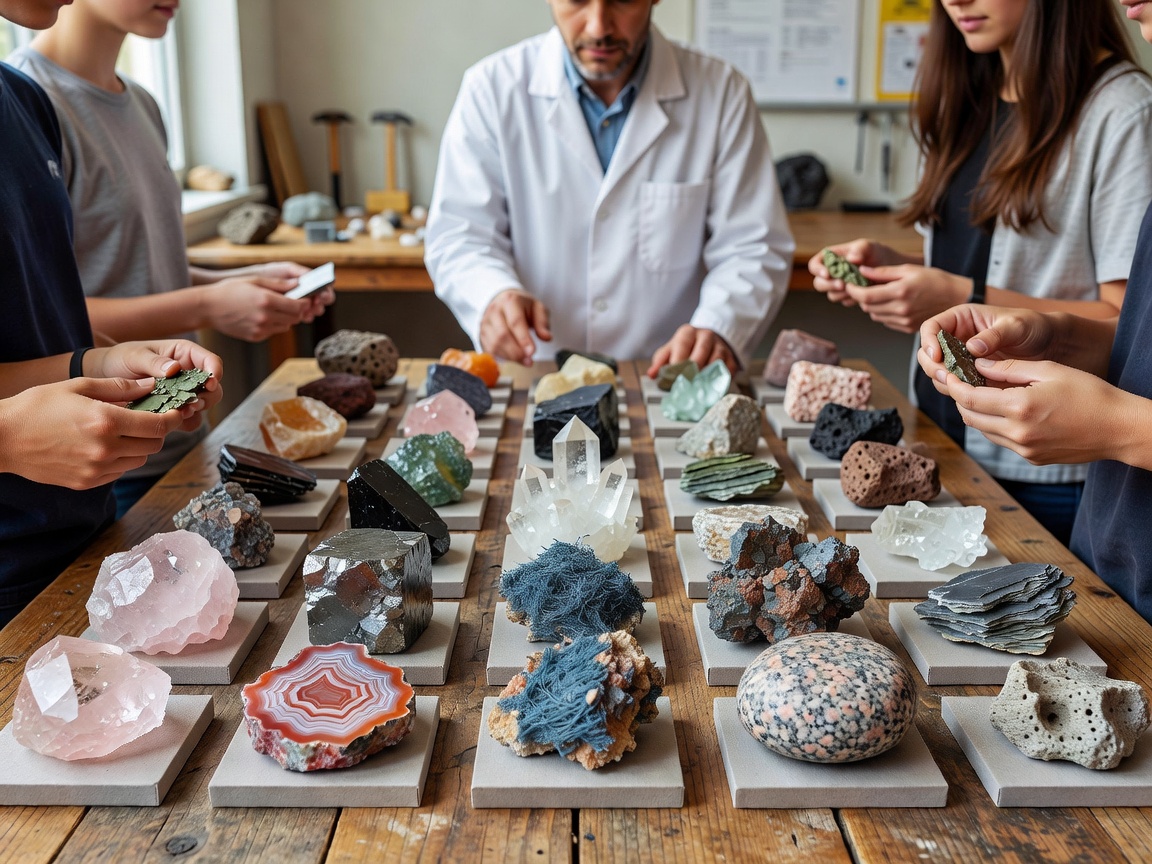
Geology explores Earth materials and the processes that shape them. A camp may introduce visible mineral features, rock groups, landscapes or the evidence used to interpret geological history. Classification helps students organise observations, while comparisons show that natural specimens vary and a single property may not identify a material by itself.
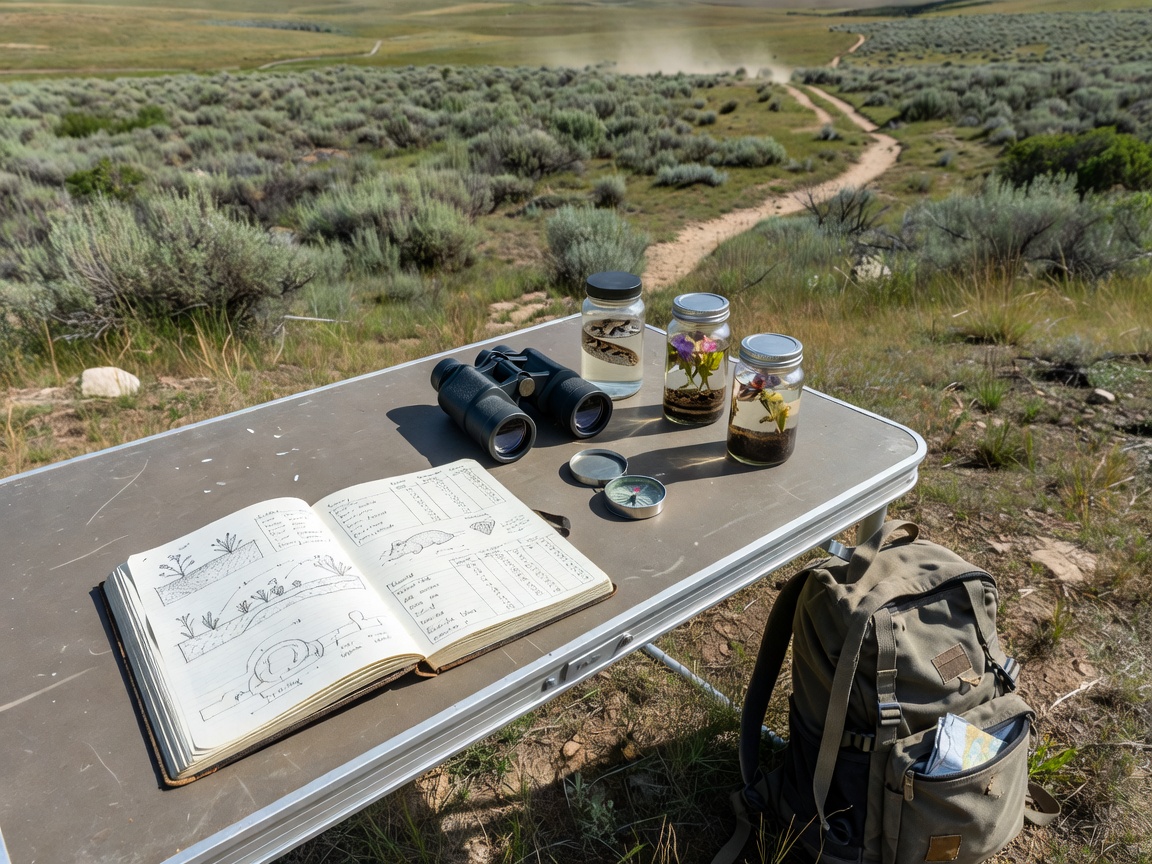
Outdoor observation can place geological features in a landscape. Access, terrain, weather and site rules affect what is possible. Ask what footwear or clothing is required, how students are supervised and whether an indoor alternative exists. Do not assume that collecting specimens is permitted; local rules and site protection matter.
Three settings for learning
Indoor laboratory learning offers a managed environment for concepts, observation and selected measurements. Check the activity outline, staff oversight and safety arrangements. Ask whether students observe a demonstration or take part in a supervised task.
Outdoor geological observation connects materials and landforms with place. It can be affected by weather and access, so the organiser should explain the route, support and contingency plan. Students need clear guidance about where they may go and what they may touch.
Material-focused activities can compare observable properties and connect them to design or everyday uses. This can suit learners interested in how materials behave. Check that tasks are appropriate to the age group and that any tools or samples are managed by staff.
Earth systems and field records
Earth systems connect rocks, water, air, land and living things. A camp might use maps, diagrams or observations to introduce those relationships. Students can keep a field record with descriptions, sketches and questions. Careful notes distinguish what was observed from interpretations about how a feature formed.
Measurement and classification have limits. Conditions, scale and the information available all influence an explanation. Ask whether the program includes time to compare records and discuss uncertainty rather than treating a short activity as a definitive scientific survey.
Good for
This field can suit students who like collecting visual details, comparing objects, exploring landscapes or asking how materials are used. A chemistry-centred learner may prefer more indoor concept work. A student interested in landforms may prefer guided field observation, subject to access and mobility needs.
What to check
- Balance of chemistry, geology, materials and Earth-system topics.
- Indoor versus outdoor schedule and weather alternatives.
- Age suitability, equipment, accessibility and prior knowledge.
- Supervision, site permissions and activity safety procedures.
- Whether classification, measurement and uncertainty are explained.
Plan for materials and place
Ask what the program supplies and what clothing students need. Confirm if any off-site travel is involved, who supervises it and how accessibility needs are addressed. For laboratory learning, ask about the level of student participation and how the organiser communicates procedures to families.
Compare the stated content with the student's interests. A camp that lists chemistry and geology may give more time to one than the other. Request a schedule or topic outline, then weigh the practical format against travel, duration and support requirements.