Ecology and biodiversity
Ecology explores relationships between organisms and their surroundings. A camp might introduce habitats, food relationships, adaptation or ecosystem change through diagrams, guided observation and discussion. Biodiversity work may compare visible variation in a defined area. Students can learn to describe patterns without assuming that one brief observation represents an entire ecosystem.
Conservation education can connect evidence to human choices and habitat pressures. It should present uncertainty and competing considerations fairly. Check whether the program explains how observations are recorded and whether outdoor activities follow local access, wildlife and site-protection rules.
Field observation and notebooks
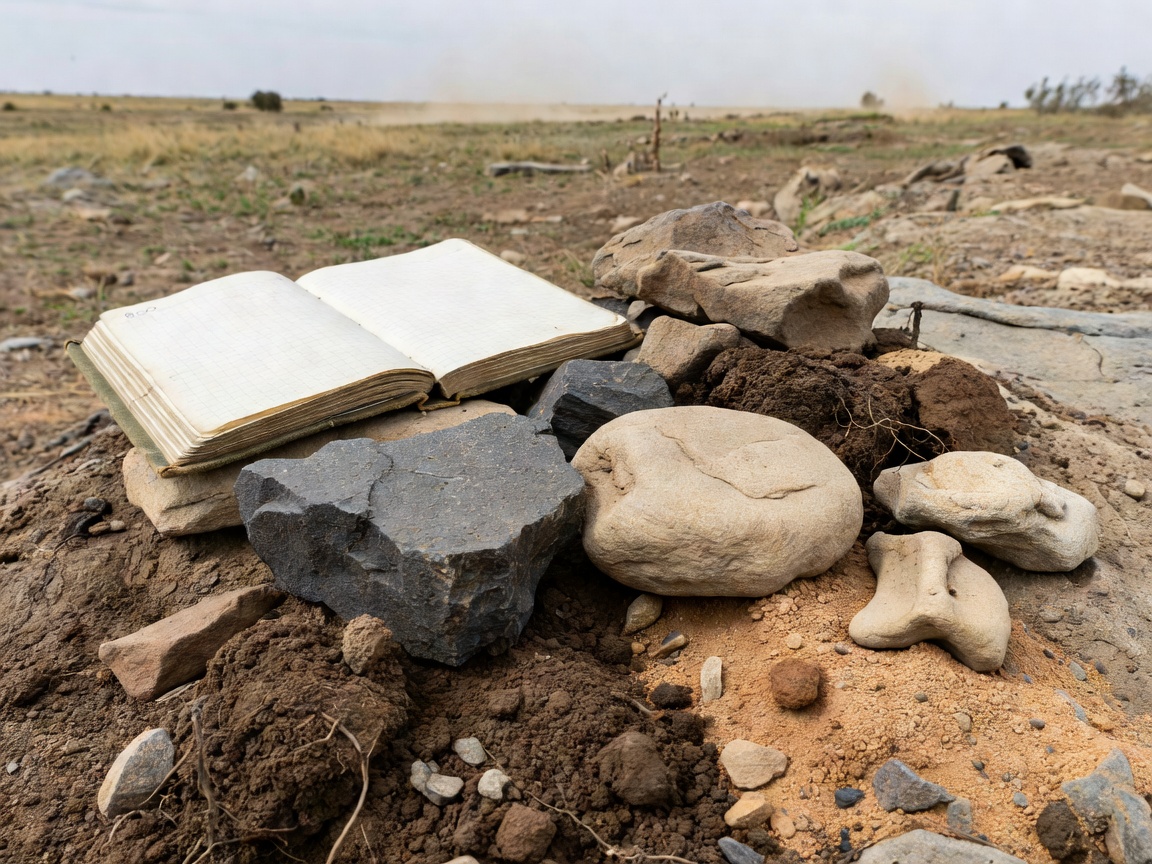
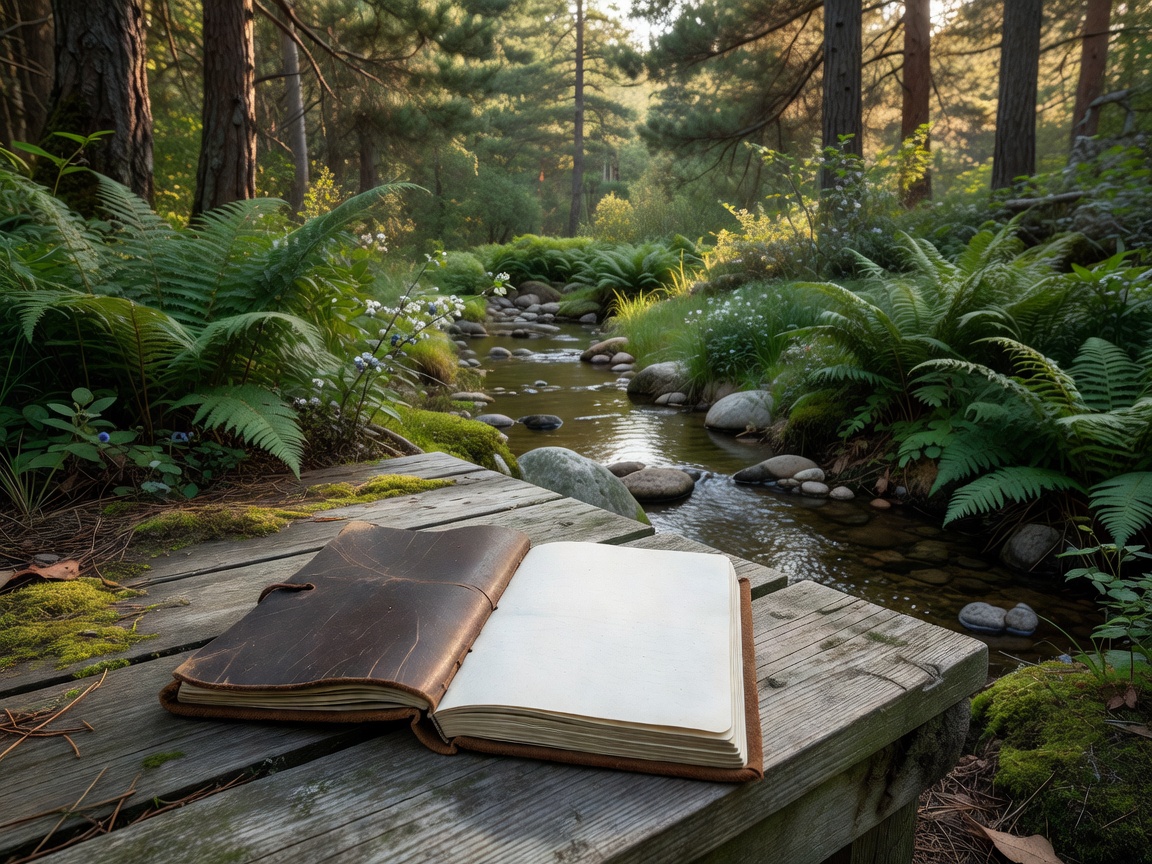
Outdoor sessions can make environmental questions concrete. Students may observe plants, habitat features or seasonal conditions under adult guidance. A field notebook helps keep records organised: date, location context, a sketch or description and questions for later review. This is an educational recording approach, not a sampling protocol.
Weather, terrain, access and season affect fieldwork. Ask what happens if conditions change, whether alternative indoor activities are planned and what clothing or mobility considerations apply. Confirm supervision and safeguarding arrangements for any off-site learning.
Classroom, lab and outdoor learning compared
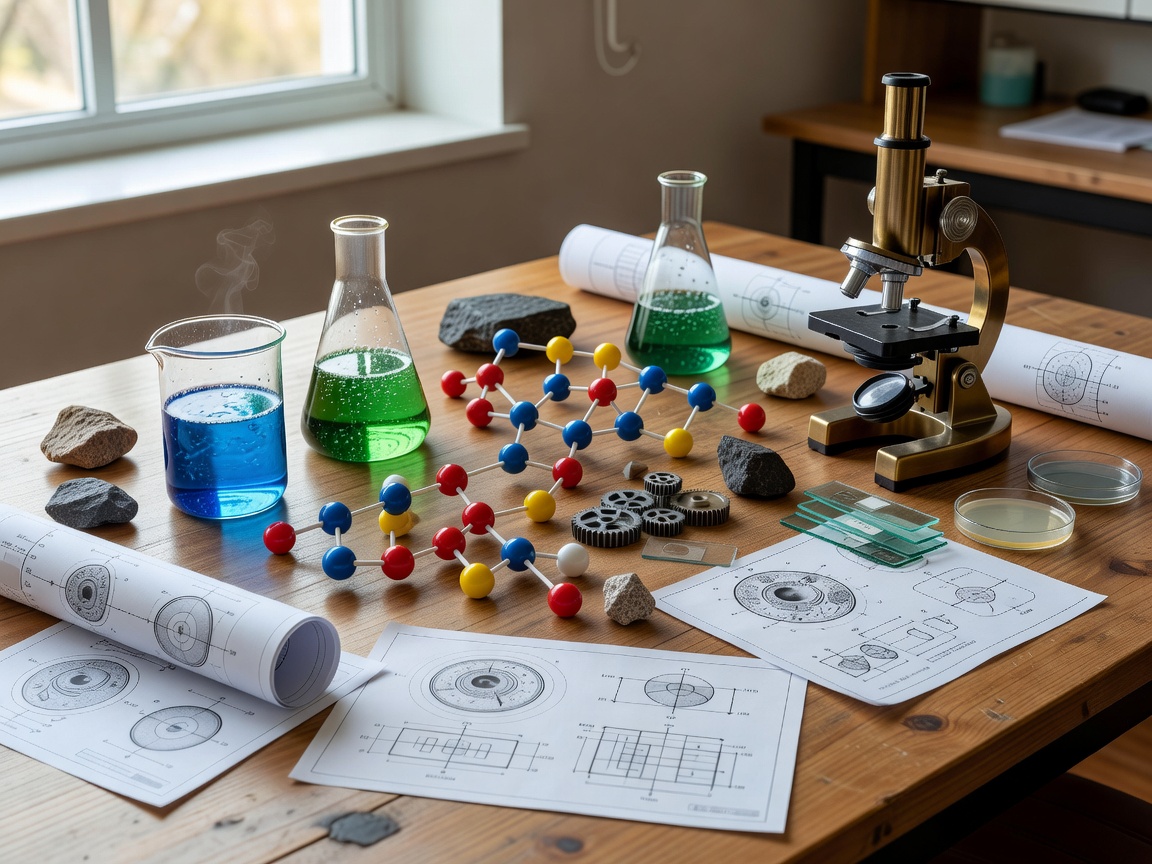
Classroom learning provides a predictable place for vocabulary, models, reading and planning. Laboratory activities can support closer examination and structured comparison with appropriate equipment and instructor oversight. Fieldwork puts observation into context but offers less control over conditions. These formats complement one another; none is automatically more rigorous.
For younger students, ask how instructions, tools and records are adapted. Microbiology can be introduced through concepts such as microscopic life, observation and responsible handling principles. Do not assume a program uses live cultures or any particular laboratory method. Ask about activity boundaries, staff supervision and institutional safety procedures.
Plant and animal science
Plant science can address structure, growth, adaptation and relationships with local conditions. Animal science can explore behaviour, habitats and classification through observation, models or other suitable educational materials. A responsible program avoids disturbing wildlife and makes clear when observation is indirect. Ask how the activity respects animal welfare and site rules.
Sampling concepts can be discussed at a high level: how researchers define what they observe, why consistent records matter and why a small sample has limits. Students should follow the camp’s qualified staff and procedures. Families do not need to prepare or collect biological materials independently.
Good for
This subject can suit students who like noticing detail, asking questions about living things and spending time outdoors. It also suits learners interested in conservation, environmental change or the connections between organisms and place. A lab-focused student may prefer a program with structured indoor observation and analysis.
What to check
- Balance of ecology, plant science, animal science and lab work.
- Seasonal and weather alternatives for outdoor sessions.
- Field access, mobility needs, clothing and supervision.
- Age-appropriate activities and clear safety boundaries.
- How notebooks, evidence and uncertainty are handled.
Plan for the setting
Ask whether students travel to field sites, how transitions are supervised and what accessibility information is available. Check whether equipment is supplied and whether the program requires prior knowledge. A suitable camp explains its activity format in plain terms and welcomes questions about welfare, safeguarding and participation.
Compare the real schedule against the student’s interests. If the description mentions biodiversity but offers little field observation, ask what that topic means in practice. If laboratory biology is central, ask about instructor oversight and the educational level of the activities.